


- Consumer Products
Back
Consumer Products
- Switches and Sockets
- Accessories
- Wires, Cables and Tapes
- Switchgear and Protection Devices
- PVC Conduits and Accessories
Back
PVC Conduits and Accessories

- Smart Homes and Buildings
Back
Smart Homes and Buildings
- Fans and Ventilation
- Water Heaters
- LED Lighting
- Solar
- Modular Kitchen
Back
Modular Kitchen

- Home Advancements
Back
Home Advancements

- Power Tools
Back
Power Tools
- EV Charger and Accessories
- Home Appliances
Back
Home Appliances
- Industrial Products
- Inspirations
- About Us
Back
About Us
- Our Story
Back
Our Story
- Manufacturing Excellence
Back
Manufacturing Excellence
- CSR
Back
CSR
- Careers
Back
Careers
- Our Story






Winter mornings feel much better with instant hot water for showers or bucket baths, but choosing the wrong water heater can lead to high electricity bills, breakdowns, or even safety risks in Indian homes dealing with hard water and power fluctuations. This geyser buying guide helps you find a model that matches your family's size, bathroom setup, and daily habits without wasting money on features you don't need. This guide covers key factors like capacity, safety, and maintenance so you pick one that delivers reliable warmth year after year.
Types of Geysers
Geysers come in storage and instant varieties, with storage models holding heated water ready for multiple uses and instant ones warming it on the spot for quick needs.
Storage Geyser
Storage geysers fill a tank with water, heat it using internal elements, and keep it warm through thick insulation for hours, making them great for families who bathe one after another. The tank acts like a reservoir, ensuring everyone gets hot water without waiting.
Instant Geyser
Instant geysers heat water directly as it passes through the unit, triggered by a flow sensor, which makes them compact and ideal for singles or couples who only need a quick rinse. No tank means less space and no standby heat loss It is not suitable for households requiring multiple simultaneous hot water outlets.
Capacity Selection Based on Household and Family Size
Picking the right capacity avoids running out of hot water mid-bath or wasting energy on an oversized tank that reheats unused water. Base it on how many people live there and their bathing habits.
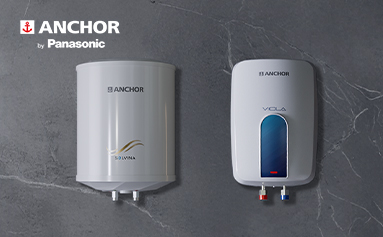
- For small families of two or three, the Viola Instant Water Heater with ten liters handles quick morning routines without excess standby loss.
- Mid-sized families of four or five find the Solvina Storage Water Heater at fifteen liters perfect for school and office prep times.
- Larger families of six or more benefit from the Calisto Storage Water Heater twenty-five liter tank, supporting back-to-back baths comfortably.
- Singles or couples often prefer instant three-liter models for occasional use and lower bills.
- Add a bit extra if guests visit often to avoid shortages during peak times.
Safety Features for Modern Homes
Safety matters most with hot water near kids and elders, so look for features that prevent overheating, pressure buildup, or shocks automatically. These built-in protections give buyers peace of mind.
- A thermal cut-out mechanism senses dangerously high temperatures and cuts power instantly to avoid scalding accidents.
- The pressure release valve opens if water pressure builds too much inside the tank, venting excess to prevent explosions.
- Dry heat prevention stops the element from working if the tank runs empty, protecting it from burnout.
- Earthing terminals connect the body to ground, safely directing any stray current away from users.
- An IPX4 rating means the unit resists water splashes common in steamy bathrooms. Look for ISI/BIS-certified geysers to ensure compliance with Indian safety standards.
Tank Durability
Hard water leaves scale deposits that rust tanks over time, so durable materials and coatings extend life to eight years or more with basic care. Strong tanks can handle daily wear reliably.
- Glass-lined interiors use vitreous enamel to resist scale buildup and flaking in mineral-rich water.
- Titanium coatings add extra protection against corrosion in challenging water conditions.
- Thick steel outer bodies with powder coating stand up to monsoon humidity and scratches.
- Magnesium anode rods corrode instead of the tank itself and should be replaced yearly for ongoing protection.
Power Consumption
Electricity bills rise with inefficient heating, but rated models and good insulation keep costs down by minimizing reheating cycles. Check the star ratings for a better understanding of real savings.
- Three-kilowatt elements heat water faster but use power only when needed, balancing speed and economy.
- Five-star rated insulation reduces standby losses, so the tank stays warm without constant electricity draw.
- Instant geysers save for low use since they heat only flowing water, avoiding idle waste.
- Timers automatically switch off at night, cutting unnecessary overnight consumption.
Water Pressure Handling
Strong municipal or overhead tank pressure can stress weaker units, leading to leaks, so rated capacity ensures steady showers even in high-rises.
- Eight-bar ratings handle pressure from tanks ten floors up without straining the tank.
- Multi-function valves regulate incoming pressure and release excess for smooth operation.
- Instant models tolerate high pressure well for powerful showers without adjustments.
Heating Element Quality
Scale from hard water coats elements quickly, reducing efficiency, so superior materials resist buildup for fewer repairs and even heating.
- Incoloy-sheathed elements fight corrosion and scale better, lasting five years or more.
- Copper works affordably but needs more frequent cleaning in mineral-heavy water.
- Paired with anode rods, they slow deposits and distribute heat evenly across the tank.
Installation & Maintenance
Wrong setup causes leaks or shocks, while regular checks prevent scale and extend life, keeping hot water flowing smoothly.
- Licensed plumbers and electricians follow codes to secure your tanks and wiring safely.
- Sturdy wall brackets can hold heavy filled tanks steadily against vibrations.
- Annual servicing should be done to flush the tank, replace the anode, and check for any leaks early.
- Keep service records for any warranty claims and to track your maintenance dates easily.
Conclusion
This geyser buying guide 2026 gives you everything needed for a smart water geyser buying guide choice in your water heater. Make sure to look for storage or instant models with the right capacity and safety in order to fit your needs perfectly.
FAQs
What size storage water heater suits a small family?
A ten-liter storage water heater works best for small families of two or three, covering quick morning baths without wasting energy on unused hot water.
Why does an adjustable thermostat matter in a water heater?
An adjustable thermostat lets you set the exact temperature you prefer, preventing scalds for kids or elders while saving electricity by avoiding unnecessary overheating.
Which is better: instant or storage water heater?
Instant water heater suits singles or low use with fast heating and no standby loss, while storage excels for families needing multiple baths from a ready tank.
How long does a storage water heater last?
A good storage water heater lasts seven to ten years with annual servicing in hard water areas, potentially reaching fifteen years with proper anode replacements.
How often should a geyser be serviced?
Service your geyser once a year in hard water regions to flush scale and check the anode, or every two years in soft water to catch leaks early.
Share this post


Select more categories
Share this postX
Category


Download Mobile Apps
- Wizz Smart


- MirAIe
- Anchor Smart Saver
- Anchor Samridhi


